News
1. Marsha Swanson releases Something Real and launches the TroubleChutes world – 24 July 2026
Marsha Swanson’s single Something Real is released on 24 July 2026 marking the public launch of TroubleChutes — a music-led emotional literacy project that brings together original songs, illustration, storytelling and conversation to help children explore their emotional worlds through creativity.Produced by Marsha Swanson and Henry “King Thumb” Thomas, with additional production from acclaimed British producer Stuart Epps (Elton John, Led Zeppelin, Chris Rea), the release serves as a musical introduction to the wider creative vision behind TroubleChutes, which also extends to education, television and film. The educational resource for schools is available at troublechutes.co.uk. A television pilot, filmed with children at TroubleChutes Ambassador School, St Mary’s Hampton CE Primary School, is currently being presented to broadcasters. A music video drawing on footage from the television pilot, together with a new collaboration with award-winning animator Sam Chegini, is currently in development and will follow the single’s release.
2. International festival recognition for Swanson’s music video collaborations
Marsha’s music video collaborations with award-winning filmmaker Sam Chegini continue to receive international recognition. Like an Angel received an Honorable Mention at the New York Short Animation Festival, In Touch was selected for screening at the 30th Anniversary Portobello Film Festival in London, while Generational Transmission became an Official Selection at both the New York Film Screening Festival and Entertainment Week Africa in Nigeria, bringing their work to new international audiences.3. Generational Transmission selected by the Tavistock Trauma Service
In a particularly meaningful development, Generational Transmission was selected by the Trauma Service at the Tavistock and Portman NHS Foundation Trust, in collaboration with South African Psychoanalytic Clinics Johannesburg, as part of the reflective programme for an international conference on complex trauma. The selection recognised the film’s ability to create space for reflection on themes of inheritance, resilience and emotional life.4. International Songwriting Competition success
The International Songwriting Competition named Marsha a semi-finalist in four categories—Adult Contemporary, Singer-Songwriter, Love Songs and Music Video — for Like an Angel. Two further compositions, Waltz for Life and Gustav Mahler’s Letter of Intent & Alma Mahler’s Lament, were also named semi-finalists in the Classical category, recognising both her songwriting and compositional work.5. Near Life Experience available now
Marsha’s critically acclaimed seventeen-track album Near Life Experience, together with the anniversary reimagining of Like an Angel, are available now on all major streaming platforms, with CDs, exclusive merchandise and limited-edition Storm Studios posters available via Bandcamp.Produced by Marsha Swanson, Henry “King Thumb” Thomas and multi-platinum-selling producer Iestyn Polson. The album has received praise from publications including Clash, EARMILK, CULTR, Atwood Magazine, Tinnitist and Rock ‘n’ Reel, recognising its emotionally rich songwriting, ambitious musical scope and cinematic visual collaborations.
"Like an Angel" reviews
"A melodious, emotionally-charged offering ... Her most meaningful track to date." - CLASH
"...rich and soaring vocals." - Mystic Sons
“Offers fans a heartfelt and timeless listening experience" - Popmusic Life
“A formidable presence in the realm of progressive pop” - LOCK
“Captures the depth and spirit of Swanson’s artistry” - FAME MAGAZINE
“A spiritual and sonically rich track” - TAGG = The Alternative Gig Guide Australia
“A song meant to endure” - Sonic Sisters
“It’s reflective, dreamy, and deeply human” - Vocoder Magazine
“One of the most evocative voices in contemporary pop” - Music Charts U.K.
“Everything we could have hoped for, yet more! “ - Caesar Live N Loud
“A lush and atmospheric sound” - Subba-Cultcha
“This is no ordinary track” - Breaking And Entering
“A sense of warmth swept over me; something I have to say rarely happens” - The Musical Hype
“Clarity without cliché, tenderness without sentimentality, beauty without artifice” - Jamsphere
“An artist who not only writes from the soul, but with it” - VideoMusicStars
“A masterclass in nuance and emotional intelligence” - Review Indie
“Reflection is inevitable and connection is inescapable” - Music Crowns
“This is a rare piece of art that invites you to pause, reflect, and feel” - We Speak Media
“Unique ability to create music that resonates deeply” - antiMusic
“A visual masterpiece that enhances Swanson’s signature style” - FEMMUSIC Magazine
“A breathtaking journey through themes of loss, love, and remembrance” - IhouseU
“One of her most compelling releases to date” - Voice Magazine
“A heartfelt gift to Swanson’s ever-growing audience” - That Eric Alper
“A sound that stands the test of time” - Click Roll Boom
“Nothing short of mesmerizing” - LOCK Magazine
“A shining example of what happens when artists create without compromise” - curious for music
“Doesn’t demand attention but quietly earns it” - Melodrift
“Rich with symbolism and emotional depth” - Backseat Mafia
“A moving experience for viewers” - flexmusicblog
“Blends classical finesse with modern sensitivity” - Ignite Music Magazine
“A moment of grace in motion” - Rotate magazine
“A must-watch” - Subba-Cultcha
“A rare kind of alchemy ” - The Songbird HQ
“A track that shimmers with a quiet, celestial beauty” - Curious For Music
"Waltz For Life" reviews
We Speak Media
“Genuine optimism lives here, the kind that acknowledges darkness but chooses light anyway.”
Marsha Swanson Returns With "Waltz for Life"
Multimedia Industry Connected
“Seems almost too brief at first. But honestly, that’s part of what makes it work.”
Marsha Swanson releases "Waltz for Life"
NIM
“Less like a footnote and more like a thesis — a distilled expression of everything the record stands for.”
Marsha Swanson, ‘Waltz for Life’ - NIM
"No Mystery" reviews
Caesar Live N Loud
“Her new track "No Mystery" is one which has left us head over heels as she charms with possibly her most compelling performance yet.”
Marsha Swanson Shares New Single "No Mystery"
Vocoder Magazine
“Well, it is certainly no mystery that Marsha Swanson is becoming a household name in the progressive-pop arena and her new release “No Mystery” sums her up as an artist completely! This track is mature, passionate and full of charisma, all traits which run seamlessly through each of Marsha’s songs. This track is from her new album, ‘Near Life Experience’ and although it was released some time ago, it still brings newfound vigour to the forefront of the pop scene. Also, this track is just one of the many outstanding tracks on the record and it is yet another which cements Marsha’s spot in the modern progressive-pop songbook.”
‘No Mystery’ By Marsha Swanson
Tinnitist
“The single is a reflection of Marsha’s creative vision and it carefully blends elements of progressive-pop with a touch of introspective lyricism.”
Marsha Swanson Reveals A Sordid Little Story That’s Really No Mystery
Breaking & Entering Milwaukee
“What sets “No Mystery” apart for me though is its universal appeal. The song’s themes of love, self-discovery, and resilience are conveyed with such clarity and sincerity that they transcend cultural and geographical boundaries. Marsha Swanson has a rare gift for making the personal universal, and this track is no exception.”
AUDIO: Marsha Swanson – “No Mystery”
"Homeward Bound" reviews
Caesar Live N Loud
“She uses open-ended questions in her lyrics which truly strike a chord!”
Marsha Swanson shares new song "Homeward Bound"
Music Notion
“Seems to have creativity flowing through her veins…. a mature and forward-thinking singer-songwriter.”
‘Homeward Bound’ Marsha Swanson
Multimedia Industry Connected
“Marsha’s ability to blend emotional depth with musical wonder, a signature trait.”
Marsha Swanson Releases “Homeward Bound”
In D Music
“Swanson's unique talent for blending progressive pop with heartfelt storytelling, solidifying her position as a compelling voice in contemporary music.”
Marsha Swanson Releases Powerful New Single "Homeward Bound" from Critically Acclaimed Album.
Just Listen To This
“I am most fulfilled when the things that bring me joy that I can do, also have a value to others.”
Marsha Swanson Talks New Album, Her Voice And More
"Alma Mahlers Lament" reviews
Breaking & Entering Milwaukee
“Swanson demonstrates her versatility as an artist, transcending her progressive-pop reputation to delve into the rich history of classical music."
Marsha Swanson – “Gustav Mahler’s Letter of Intent & Alma Mahler’s Lament”
TAGG
“Marsha has a unique ability to pull you in so closely with her intimately woven lyrics and arrangements.”
Marsha Swanson releases stunning video for two tracks taken from her latest album ‘Gustav Mahler’s Letter Of Intent And Alma Mahler’s Lament’
Hot New Single
“With a sound that blends the folky roots of classical music with cinematic expansiveness, Swanson is carving a niche for herself in the industry. Her music, imbued with depth and emotion, seeks not just to entertain but to tell stories that resonate on a profoundly human level.”
Marsha Swanson – Gustav Mahler’s Letter Of Intent and Alma’s Lament
"Still Remember" reviews
All I Need Is Music
“Still Remember’ is a track which leaps out of the scene and stands tall due to its highly relatable lyrics. The words are also articulated by Marsha in a way which is massively heartfelt and as a listener, I find myself relating to her message.”
Marsha Swanson, ‘Still Remember’
VOCODER Magazine
“Continues to deliver timeless beauty…it has an ethereal feel, one which takes me far from my surroundings…. I cannot help but look back and reflect on my own life while listening to ‘Still Remember’. It somehow takes me back to warm sunny days when I was a youth and for me that is proof of a top track; it has the power to evoke strong memories and boy does it do that!”
‘Still Remember’ By Marsha Swanson
Music Charts U.K.
“You can tell from her performance that she means everything she is saying and that authenticity really rubs off on the listener.”
Marsha Swanson – ‘Still Remember’
GSG Media
“Full of emotional depth and musical grandeur! The vocals from Marsha are also divine with her delivering a really strong vocal performance, both charming and getting to the core of her nail-biting narrative."
Marsha Swanson, “Still Remember” – New Music
"Generational Transmission" reviews
All I Need Is Music
“The perfect treat for the new year period.”
Marsha Swanson, 'Generational Transmission' - All I Need Is Music
Music Crowns
“Music Crowns is proud to premiere this release … it is a complete artistic statement, blending narrative, music, and visual artistry to explore the ways in which experiences, memories, and values are passed through generations.”
MUSIC PREMIERE: Marsha Swanson Transforms Memory into Art with ‘Generational Transmission’ | Premieres - Music Crowns
We Speak Media
“A universally resonant piece of art.”
Marsha Swanson ‘Generational Transmission (video) Explores Clay, Sound, and Storytelling Aligned
Indie Chronique (France)
“Here, art becomes dialogue” … Generational Transmission is not only to be listened to, but to be lived, to be contemplated. An experience where sound poetry meets visual art, and where each spectator finds a reflection of their own inner resonances.” - (English translation)
Héritages en clair-obscur : Marsha Swanson met en musique la Transmission Générationelle – Indie Chronique
Dead Good Music
“There are songs, and then there are living, breathing universes.”
Marsha Swanson releases new single ‘Generational Transmission’ // REVIEW - Dead Good Music
The Further
“And you—what will you choose to pass on? Perhaps that’s the truest definition of art.”
Generational Transmission by Marsha Swanson: When Music Becomes Memory
Ignite Music Mag
“It’s not just entertainment—it’s a call to mindfulness, empathy, and creative engagement with the stories that shape us.”
5 Reasons You Should Watch 'Generational Transmission' by Marsha Swanson
Sonic Sisters Magazine
“Her songwriting here is not only evocative but almost therapeutic, creating room for listeners to project their own stories.”
Marsha Swanson ‘Generational Transmission’ - A Symphony of Legacy
Ihouseu
“As emotional as it is innovative. Generational Transmission stands as a reminder that legacy is not a fixed weight but an evolving story—and that through art, we can reimagine how it is carried forward.”
IhouseU.com | Marsha Swanson ‘Generational Transmission’ – out now!
The Other Side Reviews
“When an artist not only pushes the boundaries of genre but also expands the very notion of what a music video can be, you lean in.”
Marsha Swanson - Generational Transmission (2025) | The Other Side Reviews
Melodrift
“Not just a song—it’s an act of cultural storytelling.”
Marsha Swanson unveils stunning music video for Generational Transmission
Fame Magazine
“It’s memory, identity, and hope molded in real time.”
Marsha Swanson Breaks the Cycle with ‘Generational Transmission’ – FM famemagazine.co.uk
The Cult Gateway
“A powerful, multidimensional experience. Dive into it”..
Marsha Swanson’s Generational Transmission: A Poetic Ballad of Legacy and Healing – The Cult Gateway
Curious For Music
“The combination of lyrical wisdom and handcrafted artistry positions her as one of today’s most fearless and inventive storytellers.”
Marsha Swanson’s ‘Generational Transmission’ is a Progressive Pop Revelation
Rolling Hype
“She steps firmly into the realm of cultural trailblazer.”
Marsha Swanson Drops Groundbreaking Music Video "Generational Transmission" | Rolling Hype
Plastic Magazine
“A dazzling pop experience that’s memorable and truly absorbing throughout.”
Marsha Swanson releases new music video – Plastic Magazine
Backseat Mafia
“A work that intertwines memory, identity, and familial legacy in both sonic and visual form.”
News: Marsha Swanson Shares New Single ‘Generational Transmission’ – Backseat Mafia
FLEX
“Feels like a conversation between past and future.”
Marsha Swanson Explores Memory and Legacy on Generational Transmission
Entertainment Now
“A hypnotic, spacious melody.”
Marsha Swanson Unveils Claymation Music Video for Generational Transmission - Entertainment Now
Refrain Music
“Her lyrics and delivery carry both emotional weight and intellectual insight.”
Marsha Swanson & Sam Chegini Collaborate on Claymation Masterpiece, “Generational Transmission” – Refrain Music
Rotate Magazine
“It is this delicate balance between complexity and accessibility that sets Swanson apart in today’s pop landscape.”
Marsha Swanson "Generational Transmission" Review
Classical Weekly
“It reminds us that the classical impulse is not bound by genre, but by intention — the desire to distil truth, beauty, and meaning through art.”
Review: Generational Transmission Video – Marsha Swanson & Sam Chegini - Classical Weekly
Music Charts U.K.
“It demands attention and reflection rather than passive viewing.”
Marsha Swanson Archives - ALL THE BIGGEST TRACKS
Hear Pop
“An arresting fusion of music and imagery that feels both deeply personal and universally relatable.”
Generational Transmission By Marsha Swanson | Video Review - Hear Pop
Folk Weekly
“It asks its audience not just to listen or to watch, but to reflect.”
“Generational Transmission” – A Claymation Journey of Healing – Folk Weekly
New In Music
“It hit me right in the chest…. I keep coming back to watch it again, finding new details in both the animation and the lyrics each time.”
Marsha Swanson 'Generational Transmission Video' - NIM
Music Notion
“Together, they strike a chord that is both intellectually thoughtful and emotionally affecting.”
'Generational Transmission Video' Marsha Swanson - Music Notion
Caesar Live N Loud
“Everything you would come to expect from Marsha and more!”
Marsha Swanson Shares "Generational Transmission" Video
Multimedia Industry Connected
“I watched “Generational Transmission” last night, and I’m still thinking about it today.”
Marsha Swanson - Generational Transmission Video - M.I.Connected
Vocoder Magazine
“Proof of what can happen when two visionary artists unite across cultures and mediums”
"Generational Transmission Video" By Marsha Swanson - VOCODER Magazine
JamSphere
“It’s a rare moment in modern songwriting where genetics, psychology, and art converge.. they have sculpted an experience”
Marsha Swanson’s “Generational Transmission”: A Lyrical and Visual Masterpiece in Healing Through Art – JamSphere
Review Indie
“Swanson’s vocal performance is remarkable for its balance between vulnerability and resolve.”
Marsha Swanson’s “Generational Transmission”: Breaking the Cycle of Inherited Trauma Through Music and Claymation – Review Indie
Video Music Stars
“Swanson’s lyrical gift: her ability to translate the language of psychology into poetry without losing its emotional rawness.”
Inside Marsha Swanson’s “Generational Transmission”: A Haunting Journey of Healing, Legacy, and Renewal – VideoMusicStars
Tinnitist
“Visually striking and emotionally resonant.”
Marsha Swanson & Sam Chegini Deliver A Generational Transmission - Tinnitist
VOCODER Magazine
“Moved me in a way that few songs have. It’s as if she tapped into my own experiences and transformed them into lyrics and music.”
Generational Transmission by Marsha Swanson
Urbanista Magazine
“I notice Sam’s eyes start to flicker as images come to his mind live as we are speaking!”
In Conversation with Marsha Swanson - ‘Generational Transmission’ and the Complexities of Ancestral Legacy Through Music and Innovative Claymation Video - Urbanista Magazine
TAGG
“Uncovering thoughts, like a detective at work, it is a case of following ethereal threads and grasping them before they disappear!”
TAGG The Alternative Gig Guide Australia
Earmilk
“As a child of the 70’s, weekends were spent with my big brother lounging in front of the T.V. for fun fights and frosties!”
Marsha Swanson chats new creative music video “Generational Transmission”, her love of Hugo the Hippo, and more [Interview] – EARMILK
Tri This Music Magazine
“When Marsha Swanson appears for our interviews, she brings with her that calm, luminous clarity…she speaks slowly, thoughtfully, like she’s feeling the weight of each idea before she lets it go.”
TRi THIS Music Magazine Issue #5 by TRi THIS Music
"My Rules" reviews
Breaking & Entering Milwaukee
“For anyone who has not come across Marsha before, she is an artist who really gets stuck into her narrative and her way of articulating meaning is highly refreshing in an industry where lyrics often seem pretty rushed. Furthermore, “My Rules” is an exception to that norm with a storyline which has had me hooked from the start.”
AUDIO: Marsha Swanson – My Rules
Caesar Live N Loud
“Never one to conform to the status quo, Marsha does it her own way and writes her own narrative with a song which will please even the sternest of ears this summer.”
Marsha Swanson Shares New Song "My Rules"
Music Charts U.K.
“The music on this track is also particularly special with a vibe which is akin to some of the biggest progressive-pop and soft-rock tracks on the planet.”
Marsha Swanson – ‘My Rules’
Top40-Charts
“Delivering her narrative with star quality…an album by Marsha that has continuously received widespread acclaim from the world's most notable media, with each new single cementing her name deeper into the modern songbook. This new track is yet another release that will have you hooked from the get-go, with a gripping storyline that will keep you engaged throughout.”
Marsha Swanson Returns With New Track "My Rules"
New In Music
“I was interested in exploring the fine line between someone’s will and their capacity when it comes to change. Some people have the will but not the way and vice versa.”
Marsha Swanson, The Interview Series.
"Loves Not Late" reviews
Music Notion
“From pulsating grooves that make your heart race to a bassline that exudes feel-good energy, each moment of ‘Love’s Not Late’ is a revelation.”
"Love's Not Late" - Marsha Swanson
Music Charts U.K.
“Marsha’s voice, like a warm embrace, guides us through the twists and turns of life’s uncertainties, making us believe that love truly isn’t late.”
Marsha Swanson - `Love's Not Late`
Multimedia Industry Connected
“Marsha Swanson has delivered a tour de force here… raw emotion that leaves us gripping to the edge of the seat!”.
Marsha Swanson release new track "Love's Not Late"
New In Music
“This particular group of musicians were chosen for their capacity to lend themselves to the key communication and message of the song as much as for their technical abilities.”
Marsha Swanson, The Interview Series. - NIM (newinmusic.com)
"In Touch" reviews
Vocoder Magazine
“As a fan of both music and fashion, this track speaks to me in such a unique way—it’s like a gorgeous vintage piece that you want to cherish and wear forever. Her choice to weave in the voices of three generations of women reading poetry is so poetic and on-point. Each voice brings a distinct energy, like different fabrics coming together to create something truly memorable.”
VOCODER Magazine - In Tocuh by Marsha Swanson
Subba Cultcha
“There is a spoken poem in the intro which really get the hairs propelling skyward on the necks back. It is a track all about life and the passage of time and the narrative is perfectly delivered by three generations of women.
Overall, "In Touch" by Marsha Swanson is not only proof that she is one of the most compelling singer-songwriters gracing the air currently, but it also proves that by thinking outside of the box, you can create something which is highly memorable.”
Marsha Swanson Releases "In Touch" - Subba-Cultcha
Music Notion
“Listening to “In Touch” was really beautiful; this exquisitely created work of art stayed with me for a long time. Finding a track that shocks you and leaves you thinking about it long after it ends is not common. I shall be returning to this track anytime I need inspiration or introspection.”
'In Touch' Marsha Swanson - Music Notion
About Marsha Swanson
Rock 'n' Reel – "Marsha Swanson ponders serious and engaging elements of the human condition...a songwriter who weaves insightful and thought-provoking lyrics into irresistibly catchy tunes."
Clash – "Swanson remains curious in her approach, filling her words with intention and deep thought."
EARMILK – "It's pure soul medicine."
Atwood Magazine – "A rare moment of stillness that speaks volumes."
Curious For Music – "The combination of lyrical wisdom and handcrafted artistry positions her as one of today's most fearless and inventive storytellers."
Rolling Hype – "She steps firmly into the realm of cultural trailblazer... an artist whose impact will be felt for generations to come."
JamSphere – "A masterclass in nuance and emotional intelligence... an artist who not only writes from the soul, but with it. Her intellectual precision never overshadows the visceral heart of her work. It is not academic; it is deeply human."
Video Music Stars – "Her ability to translate the language of psychology into poetry, inviting listeners to explore the deeper currents of human experience."
TAGG – "Unmistakably her own—intimate, philosophical and deeply human."
Lock Magazine – "Her signature brand of progressive 'grown-up pop' has consistently captivated listeners, combining emotive storytelling with enchanting melodies... she stands out as a luminary."
Marsha Swanson is a London-based singer-songwriter, psychologically informed creative practitioner and founder of TroubleChutes, whose work brings together music, philosophy, psychology, animation and storytelling.
This biography traces the development of her creative journey from her earliest songwriting to the creation of Near Life Experience and TroubleChutes.
Her songs explore what she describes as romantic realism—emotionally honest writing that confronts life's complexities while remaining hopeful. It is an artistic philosophy perhaps best captured by Thomas Hardy's observation: "If a way to the better there be, it exacts a full look at the worst". This approach, combined with an enduring commitment to visual storytelling, continues to earn recognition across both the music and film worlds.
Her songwriting across two decades has become increasingly recognised for its emotional depth, thoughtful lyricism and distinctive ability to translate complex psychological and philosophical ideas into music that feels both personal and universal.
Alongside her critically acclaimed recording career, Swanson's psychologically informed creative practice has evolved across the same period through work with children and young people in educational, charitable and specialist therapeutic settings.
Long before studying psychology or beginning her professional music career, Swanson was fascinated by the ways people make sense of themselves and the world around them. Growing up in a family where stories, ideas, conversation and music formed part of everyday life, books were not simply read but discussed and related back to her own life experiences. Curiosity, reflection and the habit of exploring ideas from multiple perspectives became woven into family life, laying foundations that would later resurface throughout her songwriting.
Before playing an instrument, she was already writing songs from words and melody. Although piano lessons came later, it was composition rather than instrumental performance that came most naturally. The joy lay in discovering the chords that captured a particular feeling, listening for the words that followed, and gradually piecing together the song. Even as a child, songwriting became an activity of problem solving. Rather than simply expressing emotions she already understood, writing songs became a way of uncovering thoughts and feelings that had not yet fully taken shape. Songs become places where meaning could emerge through the creative process itself.
One of her earliest songs, written at around seven years old, contain the lyrics
"Problems are only made to be solved again and again, like clouds are only made to have rain. Don't be a penguin who can't walk—just talk—and all your friends are listening to you."
“I was problem-solving through music even back then” she laughs.
It captured an early instinct that continues to drive her work today. While the language belongs unmistakably to a child, the underlying philosophy remains, that difficult experiences can be approached with interest, that conversation can create understanding, and that music can provide a space in which people begin to make sense of their emotional lives.
Her father was a doctor and psychiatrist, whose enthusiasm for emerging technology further nurtured music as the medium through which she explored these ideas. Receiving one of the earliest home four-track recording studios as a young teenager, alongside a Yamaha synthesiser opened up an entirely new world of experimentation. Layering vocal harmonies, combining keyboard textures and building arrangements piece by piece allowed her to explore freely and discover what worked and didn’t without the confines of any rules or systems. The studio became less a recording device than a creative laboratory, narrowing the gap between her early-stage piano playing and the much larger musical landscapes she now had access to.
In later childhood, Marsha recalls her father as a master of sparking curiosity through conversation. He went on to have a psychoanalytic practice at home and this was a source of endless mystery. Disappearing into his room every hour on the hour to talk with patients confidentially. As a young child trying to understand her father’s world, she remembers asking “So what do you do, ask them questions about their life?” “No”, he would answer with a knowing smile, “If you ask questions, all you get is answers”. Presenting like a riddle, these conversations were sources of both intrigue and frustration, cognitive puzzles for a developing mind. In what she now understands as being a classic Freudian Slip, a young Marsha would accidentally call his consulting room the “insulting room” much to her parents’ amusement.
Her mother, a poet, teacher and disability therapist, also placed a high value on language, whilst also instilling the sense that creativity was a value of the highest order. Her compassionate and non-judgemental understanding of people imbued a young Marsha with what her teachers would come to describe as a maturity beyond her years.
Swanson’s paternal family line traces back to Gustav Mahler, the Austrian Late-Romantic composer and renowned conductor whose emotionally intense symphonies and song cycles bridged the gap between 19th-century musical traditions and 20th-century modernism. Interestingly, Mahler also famously sought the help of Sigmund Freud and their most notable “walking therapy sessions” where the two walked for four hours along the canals in Leiden, Netherlands, while Freud was on vacation have been well documented. Mahler was in severe emotional distress due to his deteriorating marriage. Swanson would later compose a major work inspired by Gustav and Alma’s relationship for her album Near Life Experience which appeared on the radar of Classicalweek.com
“Swanson demonstrates her versatility as an artist, transcending her progressive-pop reputation to delve into the rich history of classical music. Amidst the lush orchestration and haunting melodies, she skillfully captures the essence of the Mahlers’ tragic love story… she adds a captivating dimension to her repertoire, offering listeners a captivating glimpse into the lives of two iconic figures in classical music”. (Breaking & Entering Milwaukee)
“Swanson’s work raises intriguing questions about the nature of relationships and the possibility of overcoming differences through communication. By presenting Gustav’s and Alma’s perspectives side by side, she invites listeners to consider the multifaceted nature of truth and the complexities inherent in human connections. It is an invitation to explore the complexities of love, perspective, and the art of understanding”. (Hot New Single)
On her maternal side, Marsha learned that her great grandfather used to play live piano in the silent movies. On a first meeting, he was critical of her piano playing when she shared with him an early composition. Although not intended to be unkind, it was a notable contrast to her grandfather’s attitude to learning. Professor S. S. Segal OBE, was an inspirational teacher and headteacher for children with intellectual disability. His book No Child is Ineducable (Pergamon Press, 1967) spurred both the Warnock and Plowden reports and led to children being educated in schools instead of hospital. His Space Age Readers (HarperCollins, 1963) were the first illustrated books for children with intellectual disability which were exciting, unshaming and age appropriate. He focused on space as a new frontier for all people so that his “E” stream pupils would gain self-esteem at learning facts very few understood. Both feel fitting echoes of the artistic traditions that had quietly shaped her own path.
Studying psychology at University brought with it an unexpected realisation. Rather than introducing her for the first time to “the mind” and theories of, the subject instead gave formal language to questions she had already been exploring for years prior via songs, stories and conversation.
Upon graduating with First Class Honours, Swanson was adamant that music would be her path. Far from turning her back on psychology, that same desire to understand, connect and find meaning would go on to underpin every stage of the creative journey that followed. Music had become far more than a means of expression. It had become her way of thinking.
Swanson's professional recording career took its first major step in 2005 when she secured national distribution with debut album Watershed, released through Proper Music Distribution following a lengthy artist development deal under the mentorship of Universal Publishing Head of A&R Ruth Rothwell.
Early releases, including My Life My Own and Still Wrong received widespread critical acclaim alongside strong support from regional and national BBC radio, establishing her as a songwriter whose thoughtful lyricism sat comfortably alongside memorable, melodic songwriting.
As her reputation grew, so did the breadth of her collaborations. Storm Thorgerson whose iconic artwork helped define albums by Pink Floyd, Led Zeppelin and Muse, agreed to create multiple designs for her second album Sentient Stardust, with the finished artwork later becoming part of his celebrated collection The Raging Storm. The album was launched at Virgin Megastore, Piccadilly, 2008 and marked another significant milestone in a career increasingly defined by creative collaboration across music, production and visual art.
Sentient Stardust went on to earn Swanson Best Folk Artist and Best Album at the Glasswerk New Music Awards.
Peter J Brown (Toxic Pete) gave it a Rhythm & Booze rating 10/10, saying, “As near to perfection as it gets; covering many moods and incorporating plenty of light and shade, it’s a beautiful album that says more about Marsha Swanson than I ever could”.
During this period, she completed two BBC regional radio tours, alongside exclusive acoustic performances for BBC Wales, Talksport and numerous other broadcasters. Singles from the album received widespread daytime BBC regional and commercial radio airplay, while the video for "How Are You?" was playlisted by O Music TV and Propeller TV before being performed live on Channel M Breakfast.
Alongside her recording career, Swanson found another place for her songwriting outside of the music business. Baroness Camila Batmanghelidjh, founder and chief executive of Kids Company — a charity supporting more than 17,000 exceptionally vulnerable children and young people — heard Swanson perform her song Johnny Can't Read at a live concert, and invited her to join the organisation. What followed was more than a decade developing pioneering therapeutic lyric workshops for children both at the charity's converted railway arches in Elephant & Castle and in schools across the country.
Talking about a song enabled children to reflect on difficulties in their own lives from a safe emotional distance.
During her time there she wrote music based on the lives of children who most needed their stories to be told and their voices to be heard. Swanson combined songwriting with creative practice, writing songs that reflected children's emotional worlds and performing them alongside the children at events attended by King Charles III, then Prince of Wales, former Prime Minister Gordon Brown at 10 Downing Street, and in a Ruby Wax documentary about the charity.
“I have known Marsha for 16 years. She is immensely talented; she has great analytic and practical skills. She is extremely facilitating and can work with children who present with complex needs”. - Camila Batmanghelidjh, Founder and Chief Executive of Kids Company.
In retrospect, this period now appears as the beginning of a much longer journey. Although TroubleChutes did not yet exist, many of the principles that would eventually shape it were already taking root: the belief that music can help people think as well as feel, that stories create shared understanding, and that creativity can open conversations which might otherwise remain difficult to begin.
Marsha’s work with children continued to develop beyond songwriting alone. Building on her experience at Kids Company, Swanson went on to work across educational, charitable and specialist therapeutic settings, developing music-based approaches with children presenting with a wide range of emotional needs. Several years of weekly clinical supervision with leading child psychotherapist Dr Anne Alvarez provided an opportunity to reflect deeply on this work, gradually shaping ideas that would later become central to TroubleChutes.
Alongside this work, Swanson continued to seek out collaborations that broadened her musical language. Ruth Rothwell also sought to develop Marsha as an in-house songwriter for other artists. It was an exciting time being paired with different writers and producers to see what combinations created the most magic. Entering this period of experimentation became an important part of her artistic and songwriting development. Through a combination of her publishing development deal with Universal, industry introductions, and relationships that developed independently over time, she worked alongside a diverse range of writers, producers and musicians, each bringing different musical perspectives and approaches to songwriting.
This formative period included collaborations with producer and programmer Richard Robson (Richard Ashcroft, Magic Numbers), drummer Steve Sidelnyk (Madonna), songwriter Joe Cang (Aswad), BAFTA-nominated writer and producer Tim Baxter, Canadian composer Ken Ramm (whose album Euphoria featured one of their co-writes), American artist Dempsey, producers Gavin Miller and Alex McGowan, Tim Arnold, founder of Save Soho and former frontman of Jocasta, and Phil "Swill" Odgers of The Men They Couldn't Hang, (for whom Swanson provided guest backing vocals on Swill and the Swagger Band), along with many others.
The same period also led to an unusual collaboration with Martina Topley-Bird when they met by chance at producer Alex McGowans studio during the making of her Mercury Prize-nominated album Quixotic. The collaboration grew naturally out of conversations about the lyric workshops Swanson was running with children at Kids Company, leading Martina to invite her to act as a creative sounding board throughout the writing process. Swanson was subsequently credited in the album booklet for "lyrical consultations", an unusual acknowledgement that reflected the distinctive role she played in discussing and refining the album's lyrics.
In hindsight, all these collaborations formed an important apprenticeship, allowing Swanson to experiment widely while gradually refining the distinctive songwriting voice that would later define her own work. Writing for others also solidified Marsha’s decision to focus primarily on being a recording artist. Whilst she enjoyed the challenge of the more commissioned-style songwriting for a wide range of artists, she discovered that this couldn’t be a substitute for her own leanings, music that was rooted in melody, narrative and reflection. She was also discovering that her voice was part of that communication.
With two artist albums now fully independent in the world, under Marsha’s own label Mostly Music and with the end of child services concluding her children’s work, thoughts of having her own child were now beckoning.
In 2008, following the birth of her daughter, Swanson stepped back from her recording career for a period, but not from creativity itself. During these years she continued writing, while parenthood raised profound interest in children's emotional development, imagination and communication.
Motherhood turned out not to be a pause in Swanson's creative life, but a period of immense integration and consolidation. The same questions remained, but they now took on new levels of deeper meaning. During these years she continued writing, while parenthood raised profound interest in children's emotional development, imagination and communication.
Marsha met children's entertainer Amanda Frolich of Amanda’s Action Club when her daughter attended her classes which she loved. She was delighted to help out when she learned that Amanda was looking for new music. She collaborated alongside Alison Wheeler of The Beautiful South, to create exploring themes such as growing up, healthy eating, and sharing in what became >Amanda’s Action Club Vol.1 The project required Swanson to apply herself to a very different style of songwriting while reinforcing her belief that music could communicate complex ideas in ways that felt both natural and engaging. The album featured the vocals — and even the laughter — of Swanson's then 4-year-old daughter, providing Marsha with both a literal as well as historical record of that sound. The songs continue to be used by Frolich at her high-profile children's events.
In 2015, another unexpected creative chapter emerged. Inspired by the writing of novelist Lionel Shriver whose seminal novel We Need to Talk About Kevin, made a huge impression on Marsha during pregnancy, she discovered Shriver's earlier novel Checker and the Derailleurs centred around a fictional rock band. In the book's afterword, Shriver remarked that if anyone were ever inspired to set the fictional lyrics to music, they were welcome to try.
Swanson couldn’t resist taking the invitation literally.
Working with guitarist Seb Cooper (Six String Southpaw), Swanson began by setting one of the novel's fictional songs to music. What started as a personal creative experiment prompted an enthusiastic response from Shriver, who wrote, "I really enjoyed your version of You Think I'm So Great I'm Not. It's not all that different from the tune I heard in my head." Encouraged by the result, she invited Swanson and Cooper to continue, leading them to compose music for every song in the novel and beginning an enjoyable period of creative correspondence as each new recording was shared.
Although there were hopes of releasing the complete collection alongside the book, the project never found the right commercial opportunity. Instead, Swanson independently released You Think I'm So Great I'm Not to coincide with the novel's UK publication. Shriver later chose it as one of her "Desert Island Discs" during an interview on BBC Radio 6's Paperback Writers, introducing the music to a wider audience.
Looking back, the collaboration revealed another thread running quietly through Swanson's work. She had been drawn to the novel because of its psychologically complex central character — a charismatic young drummer whose popularity existed alongside profound emotional vulnerability. More than fifteen years later, that same song would unexpectedly find a new home within TroubleChutes, becoming part of a resource exploring popularity, belonging and emotional complexity with children. What began as an unusual literary collaboration ultimately became another bridge between Swanson's songwriting and her educational work.
As her daughter grew older, so too did the subject matter of the songs. Swanson began a long period of piano lessons with jazz pianist Benjamin Croft which not only expanded her skill sets but also went on to eventually plant the seeds for Near Life Experience. She balanced this with part-time work in schools and youth settings, continuing the thread that years later would reconnect her with Camila Batmanghelidjh through her work with Oasis, bringing another chapter of that earlier journey full circle. Although she did not yet know it, the foundations of both Near Life Experience and TroubleChutes were quietly taking shape.
In 2015, Swanson released her first standalone single “An Island”, featuring the piano of Benjamin Croft. A reflective meditation on isolation and human connection, accompanied by the first of several collaborations with photographer and film maker Michael Clement. Although understated, the project marked another important step towards Marsha’s growing interest in the cinematic relationship between music and visual storytelling that would later become one of the defining characteristics of her work.
Increasingly, novels, memoirs and philosophical ideas became the catalysts for new songs. Writers including philosopher Mark Rowlands, psychiatrist Irvin Yalom and novelist Graeme Simsion, whose work had all inspired particular songs wrote personally to express their appreciation, creating an ongoing dialogue between literature and music that continues to shape Swanson's creative practice.
By the late 2010s, the many strands of Swanson's creative life were beginning to converge. Years of songwriting, collaboration, work with children and a growing interest in psychology and philosophy all found expression in what would become her most ambitious musical project to date.
The journey began with producer Iestyn Polson (David Gray, Patti Smith and David Bowie). Having first been introduced more than a decade earlier through mutual industry connections, the opportunity to finally work together came after an honest conversation about why another record should exist at all. When Polson challenged Swanson to explain why he should make time for the project, her answer centred not on commercial ambition but on communication: She realised she knew exactly what she wanted to say, why those ideas mattered, and believed music could carry them in ways conversation alone sometimes couldn’t. Their collaboration began with an EP recorded at London's Konk Studios.
The project expanded significantly when Swanson began working with musician, arranger and producer Henry "King Thumb" Thomas famous for his co-presenting role in BBC’s Rockschool and for lending his technical bass work to a massive array of hit records, live tours, and soundtracks. What Henry brought to the table was vast. His collaborations spanned multiple genres. From the Rock and folk of Paul Weller, Van Morrison & Cliff Richard to R&B icons Billy Ocean, and Randy Crawford, to the Disco pop of Gloria Gaynor, and Hot Chocolate, the Rock and the pop of Bros and All Saints, right through to the avant-garde jazz elite of Allan Holdsworth, Herbie Hancock and John Etheridge.
Having met through Benjamin Croft, the pair quickly discovered a shared belief in music's capacity to deepen reflection, connection and emotional understanding. The connection was undeniable from the outset. Marsha recalls their early conversations fondly, "He said I was an alien, but I didn’t at the time understand what he meant. Over the years, he has come to show me that the way I think isn’t typical". Neither could have imagined that more than a decade later Thomas would return to his first presenting role since BBC's Rockschool, this time as presenter of the TroubleChutes pilot television episode.
Recording sessions at Echo Zoo Studios gradually transformed the original EP into the seventeen-track album Near Life Experience, with Thomas assembling a remarkable group of musicians chosen not only for their artistry but for their collaborative spirit.
Rather than pursuing perfection through technology alone, Swanson wanted the recording process itself to embody the values behind the music. Live performance, thoughtful musicianship and genuine relationships became central to the album's sound. The result was an expansive work that moved effortlessly between intimate piano ballads, cinematic orchestration, progressive pop and contemporary songwriting, while remaining rooted in deeply human questions about mortality, memory, love and what it means to live fully.
Visually, the album continued another long-standing creative relationship. Storm Studios, successors to the legendary Storm Thorgerson, once again created the artwork, extending a collaboration that had begun fifteen years earlier with Sentient Stardust. Designer Dan Abbott and photographer Rupert Truman, both part of the original Storm team, remembered the earlier project and helped realise an ambitious visual concept that echoed the album's central idea of "nearly living" rather than merely confronting death.
Flipping the concept of a near-death experience on its head, Swanson wanted to consider what it would mean to nearly live. “We hear of people who almost had the courage to live life the way they wanted but were held back by fear, societal pressure, or family expectations”, She explains. “As the only animals aware of our mortality, us humans have the unenviable task of navigating how to live our lives with the shadow of death always close by. It could either hold one back from really living, or the opposite, inform our priorities driving us to live a real-life experience rather than a near-one”.
Swanson was keen to see what such a near-life experience might look like, a moment of intense connection to life itself. She wanted a visual that could capture the duality and interdependence.
After much discussion with Dan and Rupert, hypothesizing about what impending life might look and feel like, Dan’s idea was to create something that visually exists more on the boundaries between real and artificial to reflect the title. The plan was to create a composite photo in black and white and then hand-colour it, like something that might have been created around the 1900s, not kitschy but more theatrical and arty.
He thought that having an element of spirit from that era would also resonate with the dance the album does musically and lyrically between past and present, and between different generations.
The initial concept which became fondly referred to as “The Plant” was to create a long dress that Dan described as “starting off black and dead but then grows towards the sun and becomes a fresh green shoot with a real Marsha at the end!”. It perfectly encapsulated the central theme of the album. As she explains, “The roots that we come from and return to are in death yet we continue to reach for the light”.
Early singles from "Near Life Experience", "In Parallel", "Facing Life", "Not You" "Happy Ever After" and "Making Waves", were accompanied by conceptually ambitious and cinematic music videos by Angela Zoe Neil and George Clare. "Facing Life" served as a thematic prelude, delving into the very depths of existence, whilst paving the way for a narrative that traverses life's ebbs and flows. Bookended by instrumental tracks "Waltz for Life" and "In Touch," the album encapsulates the essence of life's journey, mirroring its highs and lows. The lead single, "Making Waves", was influenced by the work of the famous American Psychiatrist and bestselling author Irvin Yalom. He spoke of rippling, the idea that people can continue to have an impact long after they have died by their ideas and deeds rippling in much the same way as the ripples that are created by tossing a pebble into a pond. Swanson channelled this energy into an existential song that aimed to put us in touch with our mortality and meaning.
Released In Jan 2024, the album was launched with a special concert at London's Bush Hall, featuring her full band, a chamber string section and large-scale projections of artwork developed throughout the project, bringing the album's musical and visual worlds together in live performance.
Near Life Experience marked a significant artistic milestone. Critics praised both its emotional depth and musical ambition.
"Resonates with listeners on an existential level" (Tinnitist)
"This is not music for the background. It is music to feel. To reflect by." (Jamsphere)
Only 4 months after the release of Near Life Experience, was the release of another major collaboration that had been operating in parallel. Swanson had been invited by composer and pianist Benjamin Croft to write the lyrics for his progressive rock album We Are Here to Help, featuring an international line-up including Jeff Scott Soto, Billy Sheehan, Simon Phillips, Greg Howe, Mike Stern, Frank Gambale and Marco Minnemann. The collaboration also marked the beginning of Swanson's creative partnership with award-winning filmmaker Sam Chegini, (sam Chegini.com) who directed the accompanying music videos. Ben wanted to work with Sam after being heavily impressed by Chegini’s visually striking music videos for iconic progressive rock bands, specifically his animated works for Jethro Tull and Gentle Giant. Their first collaboration, wrestling with Plato, was nominated for Best Music Video at both the Kalakari Film Fest and the World Film Festival in Cannes before receiving the Abbas Kiarostami Award (Honourable Mention) at Iran's Tassvir (Image of the Year) Film Festival. Having never met in person, Swanson was astonished by the sensitivity with which Chegini interpreted her lyrics. A creative dialogue began immediately, leading to videos for No Mystery, Still Remember and In Touch which would become central to the visual world of Near Life Experience whilst also laying the foundations for TroubleChutes.
If Near Life Experience represented the convergence of Swanson's musical and philosophical voice, the work that followed demonstrated just how far that creative vision could travel.
Originally an untitled hidden track on the album, Like an Angel was revisited and re-recorded with a live band and string section, emerging as a standalone single in January 2025 for the one-year anniversary of the album. Conceived as an ode to those whose love, wisdom and influence continue to shape us long after they are gone, the song marked the beginning of an extraordinary period of critical recognition.
"It’s a full-bodied creative statement" (Curious For Music)
"A visceral, emotional landscape" (Melodrift)
"Hauntingly beautiful" (Eric Alper)
The release also marked her 4th partnership with Sam Chegini, whose visual storytelling had become an increasingly important creative counterpart to her songwriting.
"Swanson's words and Chegini's visuals don't merely coexist — they converse. Together they construct a sensory experience that transcends geography and genre. This is not a story limited to one culture; it is a universal human reckoning."" (Jamsphere).
The partnership reached a new creative summit with Generational Transmission, an exploration of inherited trauma, resilience and the emotional legacies passed between generations. Created during the turbulence of the Twelve-Day War, Chegini's first claymation film brought Swanson's ideas to life through painstaking hand-crafted animation. Together, the music and film transformed complex psychological ideas into an emotionally accessible artistic experience, later described by critics as "a triumph of cross-cultural collaboration, artistic empathy and emotional intelligence."
The fragile clay characters, lovingly nicknamed “Clayton” and Clayopatra,” serve as a metaphor for the malleability of memory and identity. “We knew that clay was the perfect material to tell this story” Swanson explains, “Because, like us, it can be sculpted and formed. We see the splashes of clay from different generations actively transforming the colour of the protagonist, accumulatively. In this way, we can witness the impact of generational transmission live as it’s happening. In this video, we see the glow of our protagonist come and go in accordance with his introspective journey as he works to individuate himself from the weight of his ancestors.”
The genesis of the song itself also reached back to one of Swanson's earliest musical memories: the Hungarian-American animated film Hugo the Hippo. Inspired by its song Sing Song Pass it Along a celebration of tradition, endurance and communal strength — Swanson consciously departed from her usual piano-led writing, creating a spacious, hypnotic keyboard melody that echoed some of her earliest musical influences. Reflecting on the song, she explains, "I was pleased at the prospect of sharing with the next generation what I knew of our family history, believing that knowledge can not only inform but aid differentiation and ultimately liberation."
The final release from Near Life Experience, Waltz for Life, brought the album full circle. Written when Swanson was just fourteen years old and finally recorded decades later, the piece returned listeners to the beginning of the album, gently bringing its contemplation on life’s continual cycle of endings and beginnings back to where it began.
Delays caused by conflict in Iran temporarily interrupted production of its accompanying animation, yet recent news of the project's eventual continuation has only deepened its central message: that hope and creativity continue to emerge even through periods of uncertainty.
Alongside widespread international critical acclaim, this period also brought recognition from across music, film and cultural organisations. The International Songwriting Competition named Swanson a semi-finalist in four categories—Adult Contemporary, Singer-Songwriter, Love Songs and Music Video—for Like an Angel, while two further compositions, Waltz for Life and Gustav Mahler's Letter of Intent & Alma Mahler's Lament, were both named semi-finalists in the Classical category.
Her accompanying films also gained international festival recognition. Like an Angel received an Honorable Mention at the New York Short Animation Festival; In Touch was selected for screening at the 30th anniversary of London's Portobello Film Festival; Generational Transmission became an Official Selection at both the New York Film Screening Festival and Entertainment Week Africa in Nigeria, bringing Swanson's work to African audiences for the first time.
Beyond the music and film worlds, Generational Transmission also found an unexpected audience within professional psychological settings when it was selected by the Trauma Service at the Tavistock and Portman NHS Foundation Trust, in collaboration with South African Psychoanalytic Clinics Johannesburg, as part of the reflective programme for an international conference on complex trauma. For Swanson, this represented a particularly meaningful moment. Questions that had first emerged through childhood curiosity, songwriting and conversation were now contributing to discussions taking place within international psychological and therapeutic communities—not because the songs sought to teach, but because they invited people to think, feel and reflect together.
Across music, literature and work with children, the same questions kept returning: how people make meaning from experience, and how creativity can help us understand ourselves and one another. For many years, Swanson's songwriting, work with children, interest in psychology, love of literature and collaborative visual storytelling had evolved along parallel paths. They now appeared to be converging into a single creative practice.
Discussion came before performance. Together, the children explored the meaning of the lyrics, relating them to their own experiences while listening to one another's perspectives. Sharing those conversations with their peers reduced feelings of isolation and expanded their thinking before they ever began to sing.
When the performances finally came, they carried a different emotional weight. Having already reflected on the themes together, the singing became a cathartic, embodied experience that strengthened connection across the class. Teachers reported that the songs continued in the playground and at home, while previously fractured friendship groups began to reconnect. The headteacher was particularly delighted to witness the school's self-described "tough guy" spontaneously initiating a group hug. The aftermath reminded Swanson of the closing scene from Bugsy Malone, where rival gangs ultimately come together to sing Give a Little Love.
Although Morris's appointment as Director of Music at the Dragon School eventually took him to Oxford, they shared the conviction that they had uncovered something valuable. Swanson resolved to continue developing the project herself.
The next significant step came when TroubleChutes found an unexpected publishing home with Karnac Books , the leading independent publisher specialising in psychoanalytic writing and related mental health subjects. Swanson met commissioning editor Kate Pearce at the launch of a new book by Professor Brett Kahr, whom Pearce was publishing and who, like Swanson, had previously worked with Kids Company.
Although TroubleChutes lay well outside Karnac's traditional publishing remit, Pearce immediately recognised something distinctive in the project and championed it as a personal passion. Together they began searching for the right illustrator. Swanson found inspiration in Carole King's collaboration with Maurice Sendak on Really Rosie, whose combination of wise songs, emotionally containing illustrations and unflinching honesty had stayed with her since childhood. She wanted to create something that could offer today's children that same rare combination of artistic quality, emotional truth and imaginative care.
When Swanson discovered the therapy cartoons of Victor Yalom (PhD, founder and resident cartoonist of Psychotherapy.net), she immediately recognised him as the perfect creative collaborator. His illustrations possessed a rare quality: they could speak equally well to adults and children, balancing humour with genuine emotional insight while communicating complex psychological ideas with remarkable simplicity. As both an artist and psychologist, Yalom brought a natural sensitivity to the emotional narratives within the songs, using his therapeutic understanding to enrich each visual interpretation.
Working alongside him was Alexandra, a young and talented digital colourist with an innate instinct for warmth and emotion. Marsha was delighted when they both agreed to come aboard TroubleChutes!
The pandemic unexpectedly accelerated the project's development. The songs were recorded online from each of the musician’s home studios initially. Marsha and Henry reunited many of the musicians who had played on Near Life Experience, providing a strong sense of continuity between the two projects. These included drummer Martyn Barker, (Marianne Faithful, Nick Cave, Martha and Rufus Wainwright, Goldfrapp), guitarist Tony Qunta (Odyssey, Hazel O’Connor, Imagination) as well as bringing in new collaborator, pianist Clifford Slapper. Swanson initially connected with pianist Clifford Slapper through their shared admiration for David Bowie. Having read his book Bowie's Piano Man and watched his acoustic interpretations of Carole King online, she reached out during the pandemic, beginning a long creative dialogue by text before they had ever met in person. Only later, during a telephone conversation, did they discover they were in fact distant relatives through marriage. Slapper would also go on to record a collection of stripped-back piano interpretations from Near Life Experience, extending the collaboration beyond TroubleChutes itself.
Every musician on TroubleChutes also had experience working with children in education so the affinity was there, another unexpected thread in an increasingly interconnected creative journey.
After the pandemic, another strand of the story came full circle when Camila Batmanghelidjh contacted Swanson once again. Now working with Oasis on a pilot nurture programme for schools, she invited Swanson to bring the newly developed TroubleChutes into a central London primary school.
The two-year pilot scheme proved highly successful, with improvements in children's motivation, relationships and SATs outcomes. The work was later featured in The Guardian, which reported on the programme's dramatic impact on the school. (Therapy project yields ‘dramatic’ rise in Sats results at London school | Primary schools | The Guardian) .
By 2025, TroubleChutes was no longer a concept but a complete educational resource. It comprised a collection of 15 original, musically and lyrically engaging songs recorded by Marsha’s live band of music industry professionals alongside illustrations by artist and psychologist Victor Yalom. The website's introductory film also features Alison Wheeler reflecting on an early trial session for Jealous Friend, bringing another long-standing creative collaboration quietly back into the story.
Across more than two decades, what had once seemed like parallel strands—songwriting, psychology, education, philosophy, illustration and visual storytelling—had gradually become a single creative practice. TroubleChutes is where those strands finally converge.
"Music expresses our longings, our sorrows, our sadnesses and our hopes. Rarely does it nudge us into helping us to change ways of being that can enhance our experience and enable us to understand ourselves more deeply. Marsha Swanson’s work does just that. She brings emotional literacy to songs while warming our hearts."" - Susie Orbach, Psychotherapist, Psychoanalyst, Writer and Social Critic
That convergence finds its fullest expression in Something Real.
Something Real is a song taken from TroubleChutes which Marsha and Henry decided to re-record as a single release introducing the wider Troublechutes world. The song explores the relationship between fantasy and reality, suggesting that both have an important place in our lives. Rather than dismissing imagination, it asks how understanding the balance between fantasy and reality can help us make better sense of ourselves and the world around us.
Swanson and Henry Thomas invited British music producer Stuart Epps, known for his work with Elton John, Led Zeppelin and Chris Rea to collaborate on the single. Stuart in turn brought in Paul Hirsh for additional keyboards and string textures.
Rather than teaching children what to think or feel, TroubleChutes invites them to become curious about their own emotional worlds and those of others. Built around storytelling, illustration, conversation and song, it reflects ideas that have quietly run through Swanson's work from the very beginning: that music can be a place of discovery rather than instruction; that children are capable of engaging with emotional complexity; and that artistic quality is itself an educational value.
Alongside the educational resource, Swanson has continued to develop TroubleChutes as a broader creative format, including a television pilot filmed with children from TroubleChutes Ambassador School, St Mary's Hampton CE Primary School. The pilot is currently being shared with broadcasters, while a new music video for Something Real, edited by long-standing collaborator George Clare using footage from the production, will follow the single's release. At the same time, award-winning animator Sam Chegini has begun work on a new animated film inspired by the project. Together, these developments point towards an expanding creative world that now spans music, publishing, education, illustration, animation and film.
“Marsha Swanson and her team at TroubleChutes deserve our huge admiration and massive gratitude for having demonstrated that music not only provides much pleasure in our lives, but, also, for having discovered that music in its many forms will inevitably help to heal pain. I happily describe myself as a huge fan of Swanson for being not only a talented a composer and singer but, moreover, for being a compassionate person who knows how to alleviate human distress. This project will certainly save many broken souls."" - Professor Brett Kahr, Senior Fellow, Tavistock Institute of Medical Psychology, London, and Visiting Professor of Psychoanalysis and Mental Health, Regent’s University London, and Honorary Director of Research, Freud Museum London.
Swanson continues to regard herself first and foremost as a recording artist. Songwriting remains the heart of her practice—the place where curiosity, psychology, philosophy and storytelling first find their voice.
Looking back across more than two decades of work, the connections become unmistakable. The conversations around the family table, the songs written as a child, collaborations with musicians, writers, producers and filmmakers, work with children and therapeutic practitioners, and an enduring fascination with psychology, philosophy and storytelling all point towards the same central idea: that music can help people make meaning from their lives.
Swanson's description of her work as romantic realism provides a fitting place to end. It describes both her music and the wider creative world that has grown around it: work that refuses to look away from life's difficulties, yet remains quietly hopeful about our capacity for connection, imagination and growth. Whether writing for concert audiences or classrooms, her aim has remained remarkably consistent—not to provide answers, but to create spaces where people can think, feel, wonder and discover something real.
"People fear death, but living is the hard part — and that's what we're all already doing." — Marsha Swanson


Facing Life
“Time goes fast, time goes slow. Time’s we’re sharp, with all we know. Can lose it all in a moment, moment, never to come back again. Or gain it back in a distant instant, holding tight to what it might have meant. When we’re facing life.”

In Parallel
“How can we swim in parallel, when it’s a long way for us to ride. Sometimes it’s plain sailing. That gives us strength to meet the tides. Cause only then we’ll know that if the feeling goes, we can get it back again.”
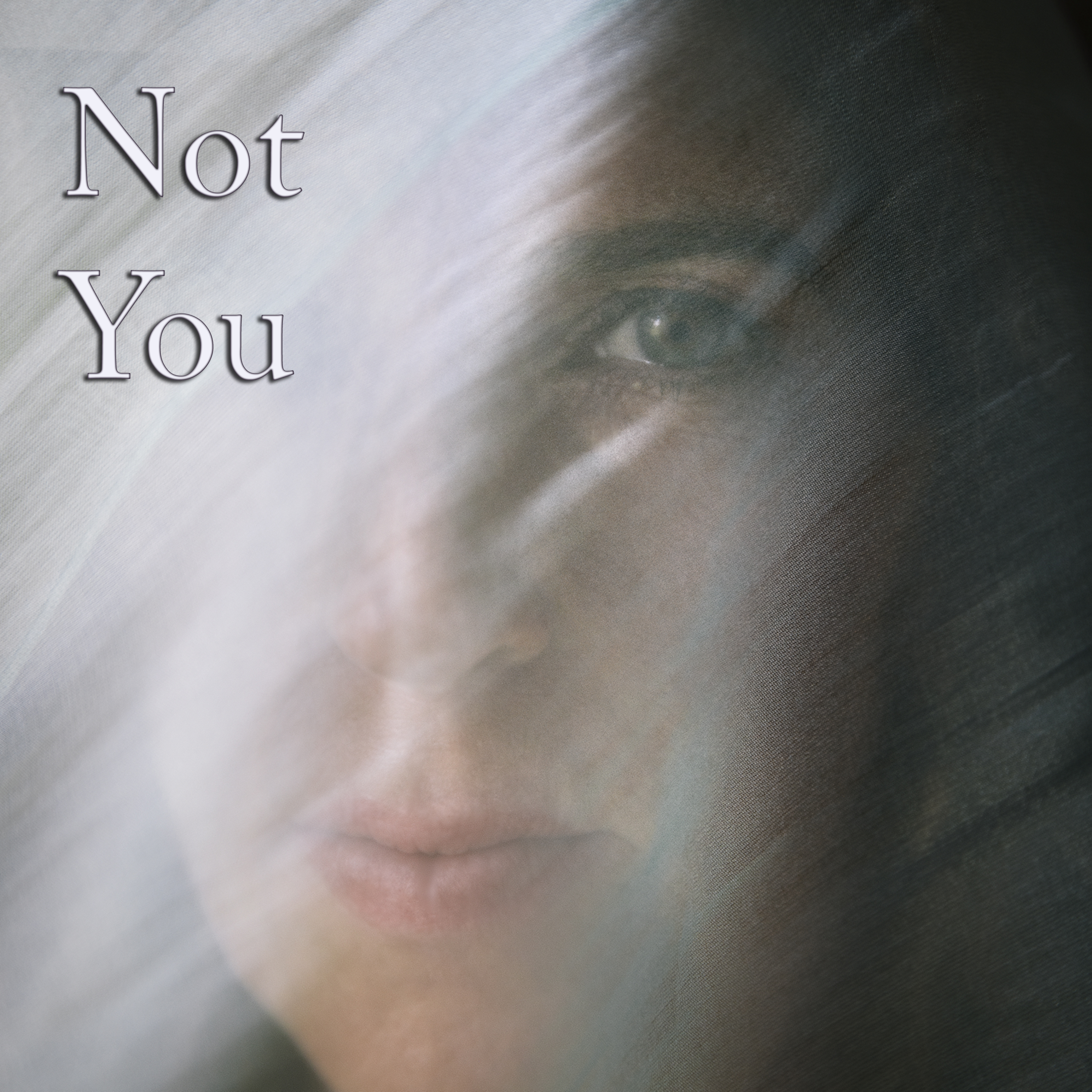
Not You
“Frozen in time, and outdated crime, driving all that you do. You think if you work ever so hard you can prevent more harm. Say goodbye, you are a woman now and this is ancient news. Face the child, she couldn’t understand and she’s still loud in you.”

Happy Ever After
“I know your song and it’s been so long since you sang to me. You’ve forgotten the words and now it’s my turn to sing them back to you. Who sold our daughters, the happy ever afters. Who told our sons there’s a soul-mate for everyone. Let’s see, what will be.”

Making Waves
“Though we know we can’t stare straight at the sun, if we face it in fragments can more light be shone. Might it awaken, serve to inform, the space between night and dawn. Making waves, saving grace. Ripples across the shore, maybe they’ll reach some more, nano levels at bay.”
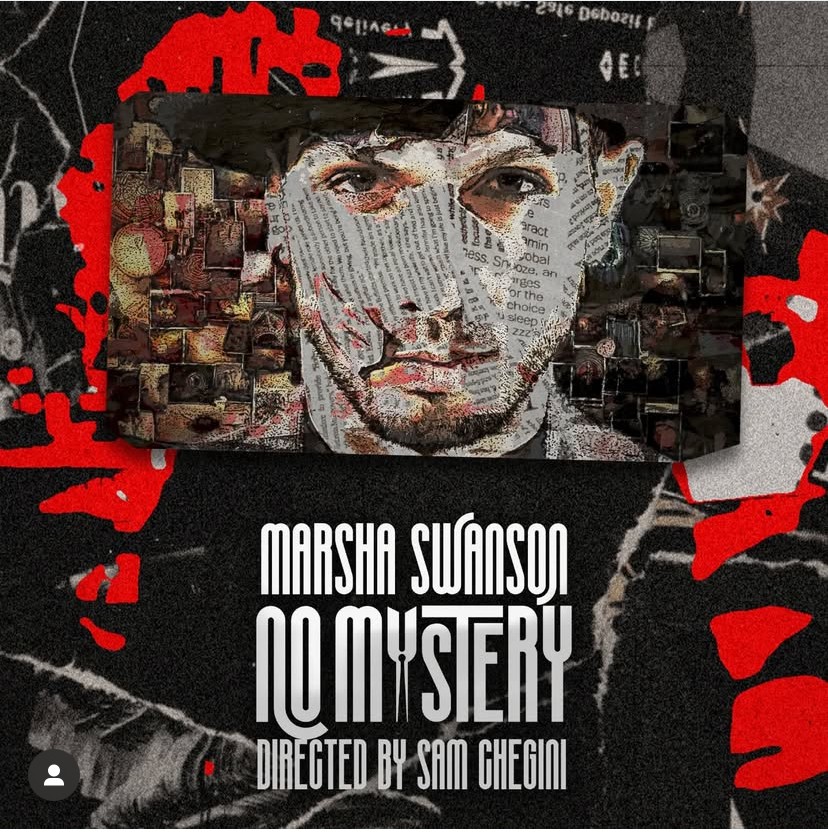
No Mystery
“It’s no mystery, how he got this way. In Mother’s web with Dad away, he’s not learned to relate. There he goes, his scorecard it grows. The more he knows, the emptiness shows.”

Homeward Bound
“Don’t know what the future holds, what will come to rock our world. If we’ll have the strength to endure, or fall like dominoes to the floor. Oh, we’re all just spinning round, clinging on to sounds that resonate with our soul. Oh, it’s on such elusive grounds, that a partners found. It seems we’re homeward, seems we’re homeward bound.”
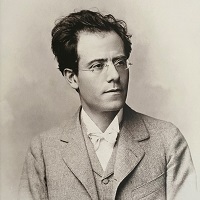
Mahler's Letter Of Intent
“This talk of your music, I cannot abide, when it’s just for you not all mankind. I am no philistine but I want a wife, a colleague could not be my life, for this to be right, the role for you, is more noble, faithful partnering. Heaven, haven, can’t be broken.”
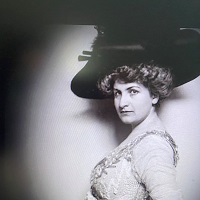
Alma's Lament
“A sacrifice so holy is strangling the air that I breathe. A sacrifice so lonely is eating into the core of me. I long to be seen. Oh, the music, now, deafens me.”
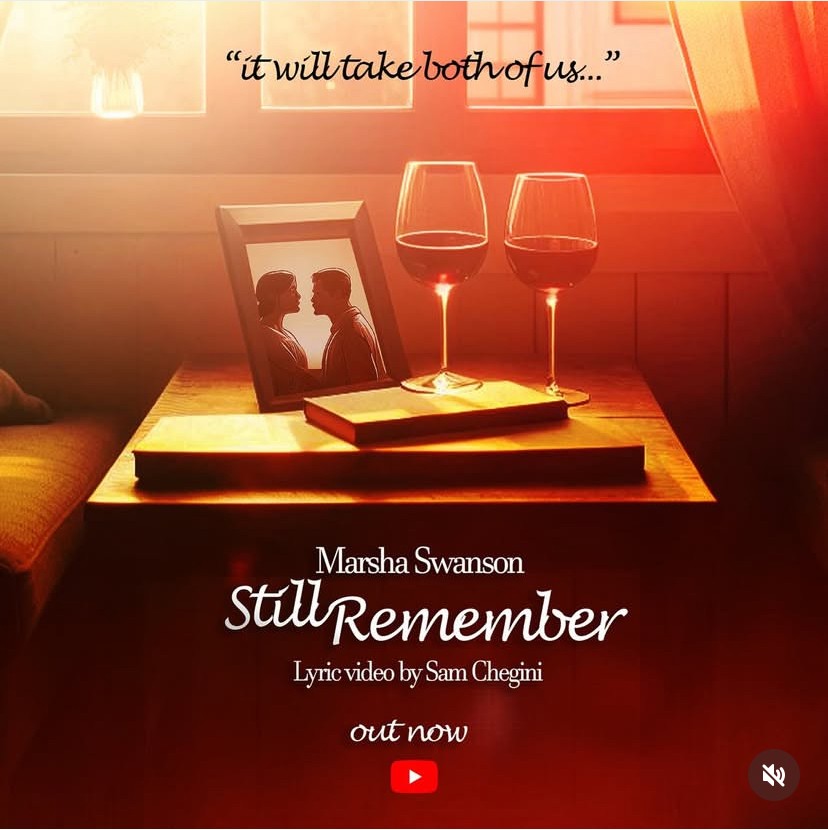
Still Remember
“I won’t pass you by, I’m still here. I still remember. The nights we shined, were yours and mine. Its crystal clear, we had no fear. I still remember.”
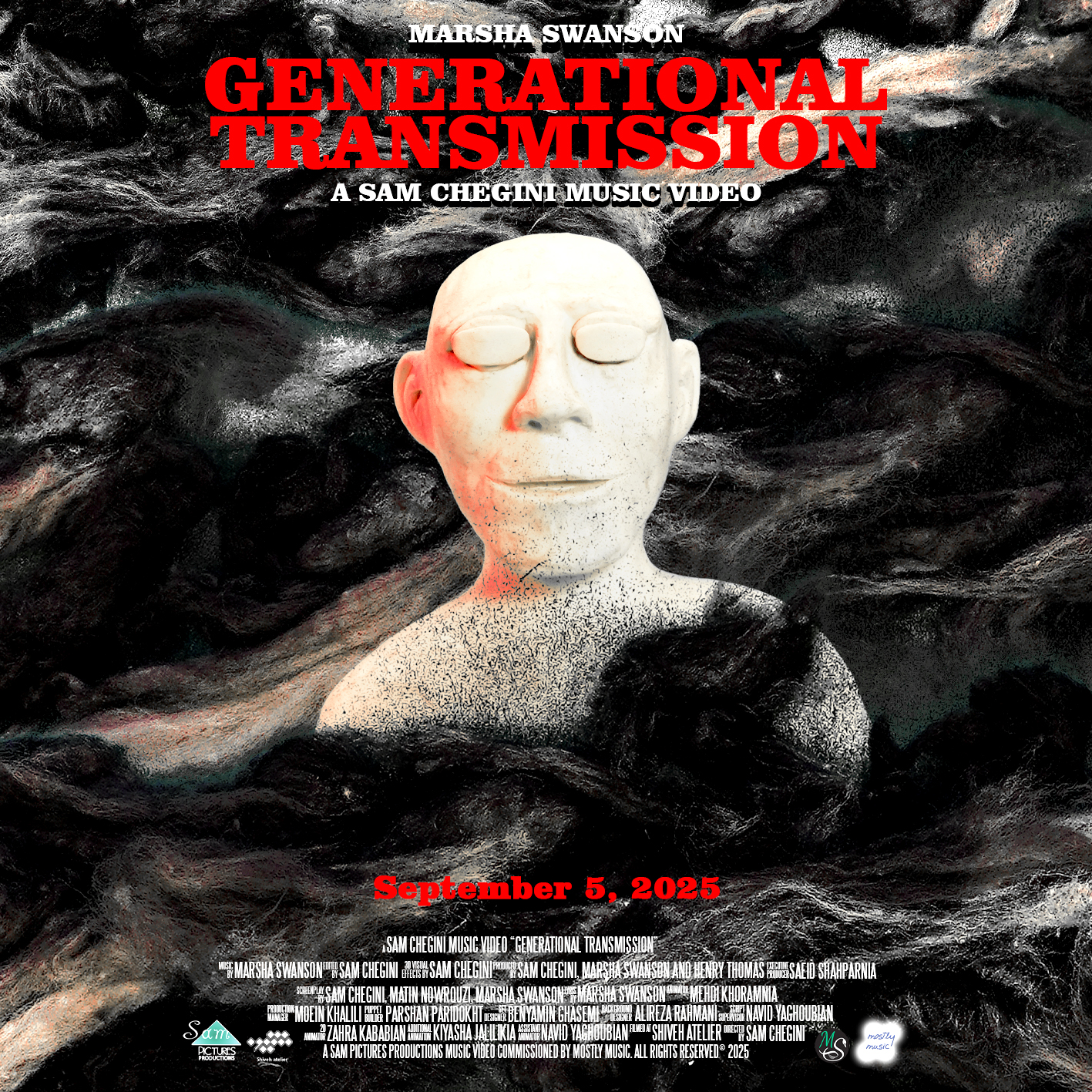
Generational Transmission
“Arming up to gather all the facts I can. Opening up the whole history of my clan. I was much too young to know what went on. Born in the middle of a story so long. Oh, the patterns show, I want you to know so you won’t be thrown.”

My Rules
“My rules, they’re my rules, gonna play on my turf today. My house in my room, gonna work on my terms this way. And if you don’t like my rules, will you still humour me. And if you think it’s crazy will you still wait and see. Have I any influence on how you’ll be.”

Love's Not Late
“You taught me how to love another, from what you did, not what you said. And there’s no lesson that I’d rather. It’s one I never will forget. In the end it’s all that matters. To be clear, our future we can’t know. Day by day, with so much that’s uncertain to navigate, so long as love’s not late, so long as love’s not late.”
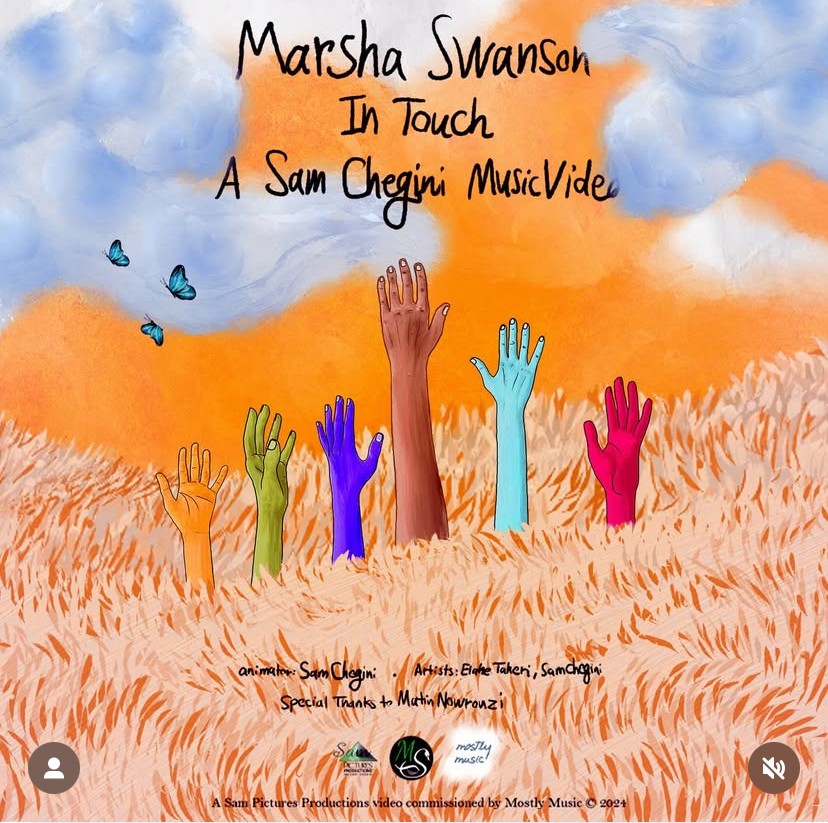
In Touch
“All endings can feel like death. All death can feel like the end. Love resides with loss. Love can outlive life. To be in touch with death is to be in touch with Life.”

Sentient Stardust
“A form so fine there’s so much dignity to bear. Cause we are sentient stardust in the air. Mobile and mindful, so much life to declare. Cause we are sentient stardust in the air”

Impasse
“But I’m understanding some. I’m out of luck, you’re out of love, Gave yours to another, and there’s not enough. Don’t want you to leave, like this we can’t stay. We once were good friends, how can that remain. Cause I’m out of love, yes I’m out of love, I’m all out of love, In that way.”

Sparkles
“I try so hard to live my life the way that I would choose. And I can do that most successfully, when I’m with you. But when the star comes out, it shines so bright it can misguide. You don’t have to shine so brightly, leave those sparkles for the sky. Sky, oh, leave those sparkles for the sky, for the sky”

Alice The Palace
“So she broke down her palace, and cried out for Alice. Faced with the earth, in idle glare, she took a leap and embraced the air. Never to touch again, never to touch again. Alice the Palace, way down from England, Lost in her Kingdom, It’s not a surprise

My Life My Own
“Loving a feeling’s easy to do, No prizes for pleasure. But can you know it’s not you, While you’re under pressure. And the clouds of confusion invite you to mix it up some more, While the comfy corner’s entice you into their open door. My life my own, how you going to spend it? There’s only one we know. My life my own, do you know how to live it? There’s only one we know.”

In Time
“And while the time, while the time dictates what I do, I can forget that I love you. When I can’t find my own piece of mind, Is when I am stuck in time. There’s nowhere to hide, Ahead or behind. Its’ when, when I’m in time

How Are You?
“I’m becoming an all-round expert on you, Gives me strength to help you, Gives me hope, you’ll have will to pull through. Gives me time to bring out all of you, Gives me peace when I know what to do. I’m becoming an all-round expert on you”

The Fall Of Madam M
“You’ve come to gloat that you got over me. You’ll never see that I’m down. You think that you are immune and so strong, But don’t take me on you’d be wrong.I’m still here, I’m about, put away your hope and doubt."

The Secret Of Mazey
“Her weighted words fill her with fear and won’t disappear. Has such little faith in what people can bear to hear. And it won’t be long before its out, A Silent secret wants to shout. It won’t be long before it starts to show, I know, I’ve seen how it is where it ends and how it begins the secret of Mazey”

Touching The Void
“It’s only you, No-one else can fill the gap for you. You’ll need to find a way to see it through, In this lifetime”

Author Of Your Life
“Turning through the pages of your predetermined lifestyle, You’re the author of your book and it’s not true”

Still Wrong
“And now a space is here, I knew we’d find it hard. But how we’ve dealt with this shows how we’re worlds apart. Even the end is hard to mend, Cause we are wrong, try to be strong, Love may carry on, but it’s still wrong

Dont Blame it on Love
“Don’t blame it on Love, it’s a matter of life. Loving you is easy but the livings not right. Help me break up with you.”

Cry
“Matter of fact, I suppose, its early in the day to prepare for our parting. Nevertheless, I suppose, it’s obvious to see, that’s the fear that comes with falling, Now’s not the time to cry."

Johnny Cant Read
“Trying hard to spell his name, empty letters fill the page, but the words are branded in his brain. Teacher calls his name out loud, trying hard to face the crowd. Time’s up he’s not saved by the bell.”

Losing Me
“Do what you want but you’re losing me, I’m starting to hate your style. But this time, it’s not alright, cause tonight, I found that your laugh no longer lifts me. Your eyes so cold but I feel no chill. Don’t know if I ever will.

Hoovering The Sky
“I can remember when you were the king of the sky. I rode behind you with clouds in my eye, now I cry. I’m hoovering the sky, feel so free, I can fly in the open breeze. Can feel the landslide where you lay, moving with the magic of today. Its lifting me”

Breakdown
Breakdown, I see you’re full up to the core. You can’t stop you fill your diary up some more. No space, no gaps between your words. No doubts, no room to be observed, A slave to each new year. I know we all need incentives, but you’ve had them all year round. You say that you’re building new fences, but the old ones are still falling down.

Madam M
“You’ll feel tortured with the rest, Don’t think you’re the best, you won’t stay on my mind. But in the mean-time, come see me, but leave on the last train. Be sure, you’ll leave on the last train. I’ll give you some time, I will prey on your mind.I will show you how good it can be, with me”

Weekend Best Friend
“We ride through life’s rollercoasters, you’re my weekend best friend. And the Jury’s out when no-one’s about you’re my weekend hang out. Oh and I’m glad I met you, and more, ever since I met you, it feels so old and new. And I’m starting to see, how much I’d like us to be, More than Weekend friends”

Watercolours
The watercolours seeping through. I want to see again, Cause you saw the art in love. The pictures that we painted, Of the colours we created, Slowly faded”

Ghost Song
“Your ghost relates to mine, They’re always by our side. They’re making their own jokes, they’re talking their own lines. And they’d take a ride on a back train, But it’s alright don’t be scared, Free your mind, it’s always there. It’s the ghost of time. The ghost of time says to you, let it go, Do what I’m telling you.

Brave Face
“The dark it won’t hide you. But the light provides no clarity. But your brave face, wants to see me, Brave face, can you hear me”

Old Fun
“I see your face eager to see, What you always triggered off in me. I played the game, I knew you’d do the same. Now, the time has come to change what we called fun”
Facing Life
“Time goes fast, time goes slow, times we’re sharp in all we know. Can lose it all in a moment, never to come back again, or gain it back in a distant instant, holding tight to what it might have meant, when we’re Facing life."
Happy Ever After
“Who sold out daughter’s the happy ever afters, who told our sons there’s a soulmate for everyone, let’s see, what will be.”
Making Waves
“Calmly accepting of not knowing more, this is the world that we live in for sure, we didn’t choose it, we’re not choosing now, still we all live it somehow. Though we know we can’t stare straight at the sun, if we face it in fragments, can more light be shone, might it awaken, serve to inform, the space between night and dawn…..making waves, saving grace, ripples across the shore, maybe there’ll be some more, nano levels at bay, making waves.”
No Mystery
“There he goes, dressed head to toe, the peacock spread to turn her head, now approaching very slow, side on, he finds a friend that’s close, he laughs he grooms, he works the whole room, his eyes are full of planned surprise… its no mystery, why he acts that way, in mothers web with Dad away, he’s not learnt to relate”
Homeward Bound
“What’s it all about for you, what makes you do the things you do, what makes you scream and shout you’re through, or keeps you loving when you don’t want to, what matters most in the end, we can’t even comprehend, but try as we might and we do, as if there could be one truth, oooh we’re all just spinning round, clinging on to sounds, that resonate with our soul, oh, its such elusive grounds, that a partners found, it seems we’re homeward, seems we’re homeward bound”.
Mahler’s Letter of Intent
“This talk of your music, I cannot abide, when it’s just for you, not all mankind. I am a no philistine but I want a wife, a colleague could not be my life, for this to be right, the role for you, is more noble, faithful partnering, haven, heaven, can’t be broken” “This talk of your music is mere vanity, ever diminished circles. If you can’t renounce it then we cannot be, for it’s in our love that we’ll agree, that we’ll submerge, where I’ll retrieve, rebuild myself, unassailable”
In Parallel
“How can we swim in parallel? When it’s a long way for us to ride. Sometimes it’s plain sailing. That gives us strength to meet the tides”.